
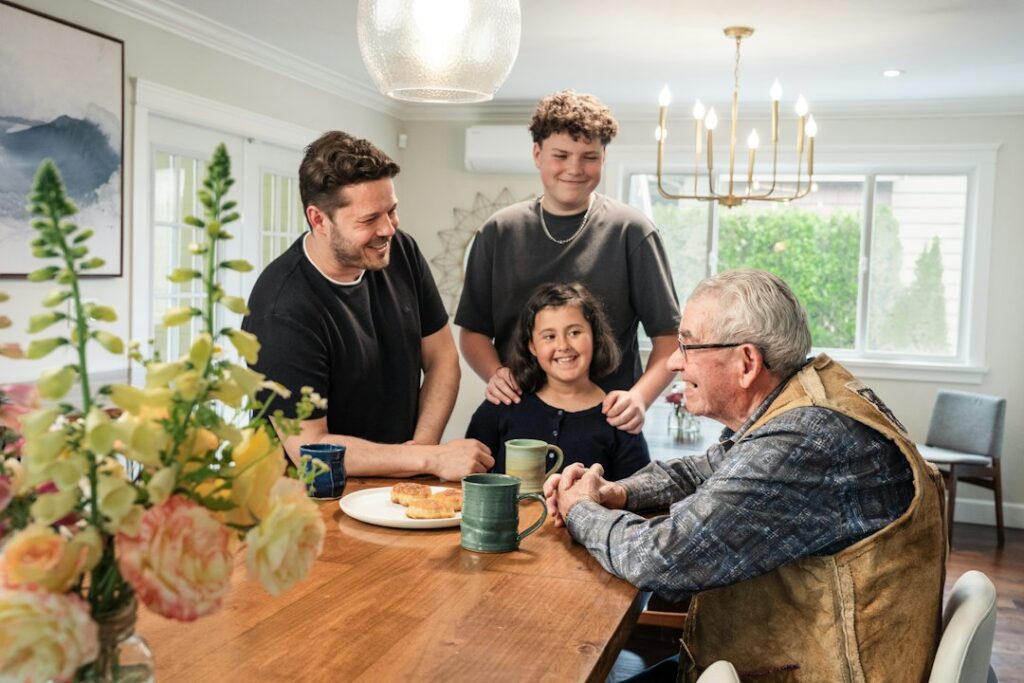
What does daily life in assisted living usually look like?
Daily life in assisted living generally combines private living space with help available for routine tasks, meals, medication support, safety, and social activities. Residents usually keep control over many personal choices while receiving assistance based on an individualized assessment and support plan.
A typical day may include:
- Getting dressed and ready with as much independence as possible
- Eating meals in a shared dining room or receiving support in the living unit
- Taking medications with reminders or administration assistance, when included in the support plan
- Joining an activity, exercise session, or social gathering
- Resting, visiting with family, pursuing hobbies, or spending time privately
- Receiving help with bathing, toileting, walking, transfers, laundry, or other daily needs
The rhythm is structured enough to provide stability but should not feel identical for every resident. Sleep habits, health conditions, preferences, cultural practices, and energy levels all affect the daily schedule.
How much independence do residents have?
Residents generally continue making choices about their clothing, personal routines, visitors, activities, meals when options are available, and how they spend free time. Assisted living is not intended to remove ordinary decision-making simply because a person needs help with some tasks.
Support may range from a reminder to hands-on assistance. For example, one resident may only need extra time and supervision while dressing, while another may need help selecting clothing, fastening buttons, or safely transferring from a bed to a chair.
A support plan should describe the assistance provided and can be reviewed when a resident’s needs change. Families and residents should ask for clear explanations of what is included, what requires additional arrangements, and how changes in care needs are handled.
What happens during the morning?
Mornings often begin at different times rather than with every resident following one schedule. Staff may provide assistance with waking, toileting, bathing, grooming, dressing, mobility, and breakfast.
Some residents prefer an early start, while others sleep later. A morning routine may also include blood pressure checks, medication support, therapy arranged through outside health-care services, or transportation for an appointment.
In Mechanicsburg, seasonal weather can affect the morning routine. Winter ice, snow, and freezing temperatures may limit outdoor walking and make safe footwear, warm clothing, and indoor activity options especially relevant. During hot, humid periods, residents may be encouraged to remain hydrated and avoid prolonged outdoor activity during the hottest part of the day.
How are meals handled?
Assisted living residences provide regular meals and snacks, with menus designed to meet nutritional needs. Residents may eat in a common dining area, choose from available menu options, or need an alternate arrangement because of mobility, illness, or a temporary change in condition.
Meals are more than a nutritional service. They often provide routine, social contact, and an opportunity for staff to notice changes such as reduced appetite, difficulty chewing, fatigue, or confusion.
Families may want to ask:
- Are menus posted in advance?
- Can dietary restrictions and food allergies be accommodated?
- What happens if a resident misses a meal?
- Is help available with cutting food, opening containers, or eating?
- Can residents keep appropriate snacks in their living units?
A reduced appetite should not automatically be treated as simple pickiness. It may signal medication effects, dental discomfort, illness, depression, dehydration, or a change in swallowing ability.
What kinds of activities are available?
Assisted living communities are expected to offer a daily program of social and recreational activities, but the actual schedule varies. Activities may include:
- Exercise, stretching, or balance programs
- Music, crafts, games, and discussion groups
- Religious or spiritual gatherings
- Gardening, baking, reading, or seasonal projects
- Educational programs and current-events discussions
- Outdoor time, when weather and mobility conditions permit
- Celebrations, resident gatherings, and visits with family members

Participation should be encouraged but not forced. A resident who avoids large groups may prefer one-on-one conversation, a quiet hobby, a short walk, or time in a common room without joining a formal activity.
The number of activities is less meaningful than whether residents can find activities suited to their abilities and interests. Someone with hearing loss, vision impairment, limited mobility, or cognitive changes may need adapted instructions, smaller groups, or additional support to participate.
How are medications and health needs managed?
Medication assistance may involve reminders, help with self-administration, or medication administration according to the resident’s needs and applicable rules. Residents should be able to ask questions about medications and report concerns about possible errors.
Assisted living is not the same as a hospital or a nursing facility. Staff may monitor conditions, help arrange health-care services, respond to emergencies, and communicate with designated contacts, but the residence may not provide continuous skilled nursing care for every medical need.
Residents and families should understand:
- Who manages routine medication support
- How urgent symptoms are handled
- How appointments and transportation are arranged
- What happens after a hospital stay
- How changes in care needs are documented
- Which health-care services are provided by the residence and which are arranged separately
Clear communication is especially important when a resident has diabetes, memory loss, falls, swallowing concerns, or several prescriptions.
What is the evening routine like?
Evenings may include dinner, television, music, games, visits, quiet conversation, or preparation for bed. Staff may help with changing clothes, toileting, oral care, medication, and safe movement at night.
Residents should still have privacy and control over bedtime preferences when safety permits. Some people prefer a late bedtime, while others become tired early. Nighttime needs can include assistance responding to a call system, locating the bathroom, managing incontinence supplies, or getting safely back into bed.
A change in nighttime behavior deserves attention. Repeated wandering, new confusion, frequent waking, or unusual sleepiness may reflect illness, medication effects, pain, anxiety, or an environmental problem.
What should families expect from visits?
Family visits may be casual and flexible, subject to residence rules and the well-being of other residents. A visit might involve sharing a meal, looking through photographs, attending an activity, taking a supervised walk, or simply sitting together.
Families often learn the most by observing ordinary moments rather than formal events. Notice whether residents appear clean and comfortable, whether staff respond respectfully, whether call systems are answered, and whether the atmosphere supports both conversation and quiet.
Visits can also help preserve familiar routines. Bringing preferred clothing, labeled personal items, photographs, music, or familiar snacks may make a living unit feel more personal. Seasonal clothing deserves particular attention because local winters and summer heat can change what residents need from day to day.
What does a good daily routine provide?
A useful routine balances safety, assistance, choice, rest, and meaningful activity. It should help residents manage daily tasks without making every hour feel controlled by a timetable.
The most important questions are practical: Does the resident receive help when needed? Are preferences respected? Are meals, medications, and personal care handled consistently? Can the resident spend time privately? Are changes in health or behavior noticed and communicated?
Daily life can look different from one residence to another and from one resident to the next. The clearest picture comes from reviewing the individual support plan, asking how an ordinary weekday unfolds, and comparing that description with the resident’s actual experience.
